




SALALAH: Oman’s khareef season offers strong potential to attract more Indian leisure travellers, particularly from northern India, by combining a cool summer climate, green mountain landscapes, beaches and desert experiences within a relatively compact destination, according to a senior Indian travel executive visiting the country.
Ankush Jain, Managing Director of Go Now Travels Pvt. Ltd., a Delhi-based travel company, said that Dhofar Governorate stood out during a week-long familiarisation visit aimed at assessing destinations and experiences that could be marketed to Indian clients.
“Oman is so near to India, yet we know very little about Oman as far as tourism is concerned,” Jain told the Observer.
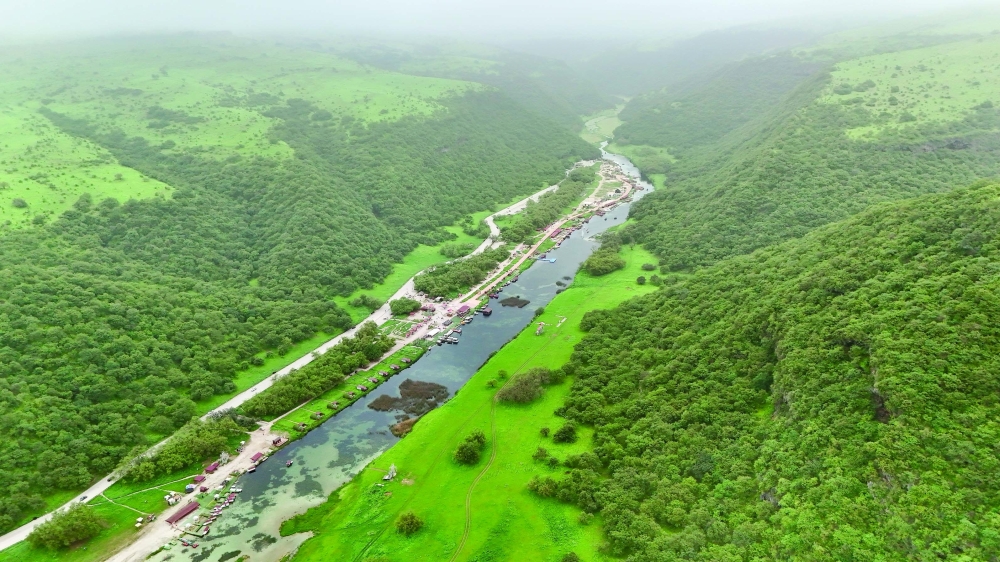
His visit covered both northern Oman and Salalah, during Khareef — the annual monsoon season that typically runs from June to September and transforms parts of southern Oman into green, mist-covered landscapes.
For Jain, that seasonal transformation gives Salalah a tourism product that differs sharply from the image many international travellers associate with the Arabian Peninsula.
“The greenery and vegetation grow afresh. The colour is really very different,” he said.
He said the combination of mountains, coastline and nearby desert could be particularly attractive to travellers from northern India, where beaches and sand dunes would add variety to a short-haul overseas holiday.
“Sand dunes and the sea, and then this greenery — I think Salalah is certainly a very good destination for Indians,” he said.

India is already one of Oman’s largest tourism source markets. Indian nationals accounted for 382,015 visitors to Oman in the first half of 2026, making India the second-largest source market after the United Arab Emirates, according to National Centre for Statistics and Information data.
Dhofar is also seeing another strong khareef season. More than 472,000 visitors reached the governorate between June 21 and July 31, up 6.9 per cent from the comparable period of 2025, according to preliminary official figures.
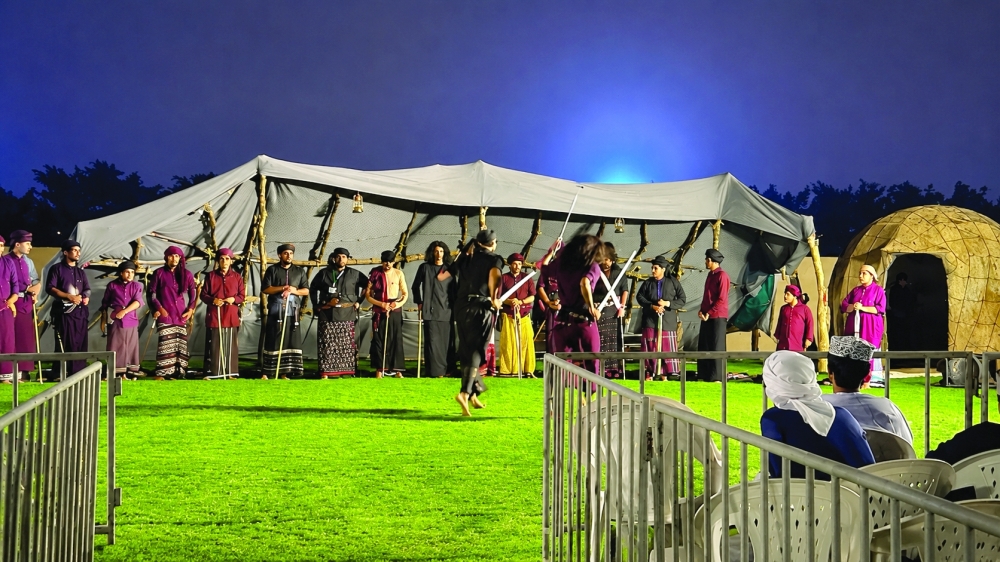
Khareef is the peak domestic and regional tourism season in southern Oman, drawing visitors to Salalah and surrounding areas for its cooler temperatures, green mountains, flowing wadis, beaches and cultural attractions.
Jain said Oman’s opportunity in the Indian market extends beyond Salalah.
While Dhofar provides a distinctive summer proposition, he said northern Oman could appeal during the cooler months through desert stays, marine activities, mountains and cultural experiences.
He highlighted snorkelling, dolphin-watching, desert activities and the turtle reserve at Ras Al Jinz on Oman’s eastern coast among the experiences that could be incorporated into packages for Indian travellers.
That combination, he said, allows travel companies to sell different parts of Oman at different times of the year.
But Jain said the way those experiences are packaged would be as important as the attractions themselves.
“The itinerary is the main thing,” he said. “There are a lot of ‘wow’ factors here.” He said leisure travellers were more likely to respond to relaxed programmes combining a limited number of memorable experiences with sufficient free time, rather than tightly scheduled itineraries requiring early starts every day.
“People on a holiday don’t want to be rushed. It should be a relaxed itinerary, doing some things and keeping them relaxed at the same time.” For Omani hotels, tour operators and destination-management companies, the comments point to the importance of tailoring packages to different sections of India’s large outbound travel market.
Jain also cautioned against treating India as a single, uniform market.
Oman Observer is now on the WhatsApp channel. Click here